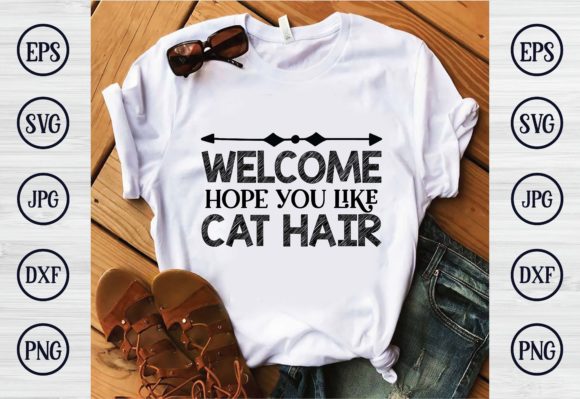
Welcome Hope You Like Cat Hair
As an embroidery designer and product reviewer, I’ve evaluated countless digital files for real-world use. Welcome Hope You Like Cat Hair is a design that blends whimsy with practicality, but it’s not one-size-fits-all. Let’s break down what this design offers—and where it might fall short—based on actual embroidery scenarios.
The First Impression: A Playful Yet Purposeful Design
Welcome Hope You Like Cat Hair immediately catches the eye with its charming, cat-themed aesthetic. The layout is clean, with a central image of a cat surrounded by text that feels both personal and playful. It’s the kind of design that could work well as a custom t-shirt, tote bag, or baby item. The shape is simple enough to fit into most hoop sizes, but there are details that demand attention—especially in areas like the cat’s fur and the lettering.
The theme is light-hearted and suitable for a variety of occasions. It’s not overly complex, which makes it accessible for beginners and efficient for experienced embroiderers. However, its simplicity also means it may not stand out in a crowded market unless paired with the right fabric or color scheme.
Real-World Embroidery Performance
When considering how Welcome Hope You Like Cat Hair performs in real-life embroidery situations, several factors come into play. For custom apparel like t-shirts or sweatshirts, the design translates well, especially when using a medium stitch density. The design works best on lighter fabrics where the detail can shine through without being lost in the material.
For tote bags or aprons, the design holds up nicely. The cat image isn’t too intricate, so it won’t require excessive time or thread. However, if you’re planning to use it on a cap or a curved surface, you’ll need to adjust the hoop size and possibly simplify some elements to avoid distortion.
In baby items or nursery decor, the design could be a hit, but it’s important to test it on thin or stretchy fabrics first. The stitch density might cause puckering or visible seams if not handled properly. For holiday or wedding gifts, the design has potential, but it’s not the most elegant choice for formal settings.
Where to Use It Carefully
While Welcome Hope You Like Cat Hair is versatile, there are certain scenarios where it might not perform as expected. Small hoop sizes can make it difficult to capture the full detail of the cat’s features, especially if the design includes fine lines or delicate shapes. If you’re working with textured fabrics, such as corduroy or denim, the design might not sit flush, leading to a less polished finish.
On dark fabrics, the design could appear washed out unless you choose a high-contrast thread color. Thin or stretchy materials may also pose challenges, as the design might not hold up under repeated washing or wear. For layered garments or products that see frequent use, consider simplifying the design or using a different stitch type, like applique, to enhance durability.
Impact on Visual Appeal and Customer Trust
Welcome Hope You Like Cat Hair has the potential to add visual interest to a wide range of products. Its charm can increase buyer engagement, especially for those targeting pet lovers or fans of quirky designs. However, the success of the design depends largely on how it’s executed. A poorly stitched version could reduce the perceived value of a handmade product or discourage repeat customers.
For small shop owners or Etsy sellers, the design could be a valuable addition to your inventory, provided it aligns with your brand’s aesthetic. It’s important to ensure consistency in how the design is presented across different products. Whether it’s used on a pillow cover, a tea towel, or a custom cap, the design should maintain its integrity and appeal.
Practical Designer Notes
Before finalizing any project with Welcome Hope You Like Cat Hair, I recommend testing the design on scrap fabric. This will help you assess how the stitches interact with the material and whether any adjustments are needed. Pay close attention to the thread colors—especially if you’re using them on dark or patterned backgrounds.
Review the stitch density to ensure it’s appropriate for the fabric type. If the design is too dense, it might cause the fabric to pucker or the threads to break. Confirm the hoop size required for the design and make sure it fits your machine. Inspect small details like the cat’s eyes or the lettering to ensure they’re clear and readable after stitching.
Test the design in black and white mockups to see how it looks without color. Compare it against both light and dark fabric backgrounds to determine the best presentation. Use the proper stabilizer to prevent shifting or distortion, and always check the licensing terms before selling finished items or digital products.
Final Thoughts: A Design That Needs the Right Context
Welcome Hope You Like Cat Hair is a fun and functional design that can work well in the right setting. It’s ideal for casual, personalized projects and can add a touch of personality to custom apparel, baby items, or small shop merchandise. However, it’s not a one-size-fits-all solution. Its success depends on how it’s applied, the materials used, and the intended audience.
If you’re an embroidery designer, craft business owner, or Etsy seller, this design could be a valuable asset—but only if you take the time to evaluate it carefully. By following best practices and testing it thoroughly, you can ensure that Welcome Hope You Like Cat Hair becomes a standout piece in your collection rather than a missed opportunity.