The Trouble with a Kitten is That It Eve
As an embroidery designer and product reviewer, I’ve seen my fair share of digital designs. Some are clearly made for quick use, while others require deeper consideration before being incorporated into real projects. The Trouble with a Kitten is That It Eve falls into the latter category. This design has charm, but it also demands thoughtful application to ensure it translates well into finished products.
First Impressions: A Playful and Whimsical Design
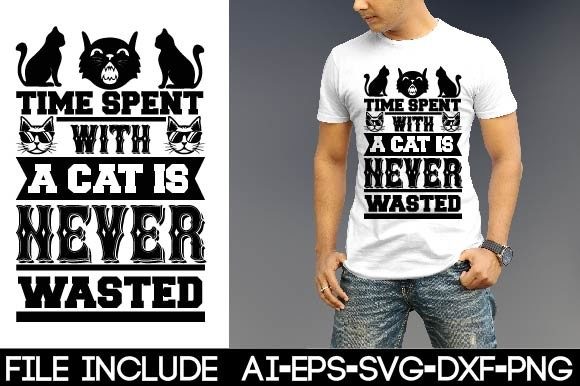
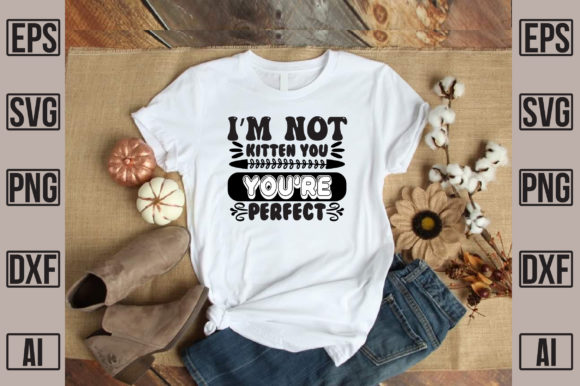
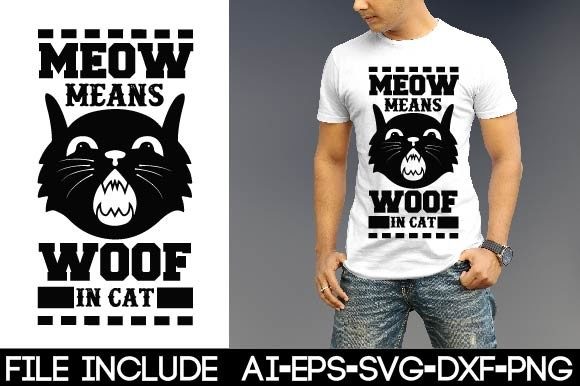
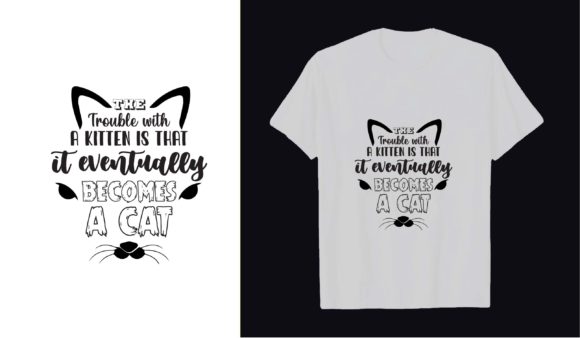
The Trouble with a Kitten is That It Eve immediately evokes a sense of lightheartedness. The design features a stylized cat with a playful expression, set against a clean, simple background. The layout is balanced, with the main subject centered and surrounded by a subtle text element that adds personality without overwhelming the composition. The overall visual style feels modern yet nostalgic, making it appealing for a variety of audiences.
This design would naturally fit into custom apparel, especially t-shirts, sweatshirts, and tote bags. Its simplicity makes it versatile, but its character also suggests it’s better suited for items that can showcase the details without being cramped or distorted.
Real-World Embroidery Performance
When considering The Trouble with a Kitten is That It Eve for real-life embroidery, it’s important to think about how it will look on different fabrics and in various applications. The design uses a combination of satin stitch and fill stitch, which works well for most standard fabric types. However, the level of detail may not be ideal for very small hoop sizes or delicate materials.
For example, if you’re planning to embroider this on a baby onesie, the design’s size and placement need careful consideration. The kitten’s facial features are relatively large, so they won’t get lost on smaller garments. But if you're using it on a cap or a hat, the curvature of the surface could affect how the design appears. In such cases, testing on a mockup or scrap fabric is essential.
Where to Use It Carefully
There are a few scenarios where The Trouble with a Kitten is That It Eve might not perform as expected. On textured or stretchy fabrics, the design could appear less crisp, especially if the stitch density isn’t adjusted properly. Thin or dark fabrics may also impact the visibility of the design, depending on the thread colors used.
If you're working with a layered garment or a product that requires frequent washing, the design’s durability should be tested. The satin stitches are generally strong, but repeated laundering could cause some fading or distortion over time. For commercial embroidery projects, ensuring that the design is compatible with your machine and that the file format is correct is crucial.
Visual Appeal and Customer Perception
One of the strengths of The Trouble with a Kitten is That It Eve is its ability to create a memorable impression. The whimsical nature of the design makes it ideal for personalized gifts, handmade products, and boutique merchandise. Customers often respond positively to designs that feel unique and expressive, and this one has that quality.
However, the success of the design also depends on how it’s presented. If you're selling it as a digital embroidery file, the quality of the printable mockup and the clarity of the preview can make a big difference. A poorly rendered mockup might lead customers to expect less than what the design actually offers.
Practical Designer Notes
Before using The Trouble with a Kitten is That It Eve in any project, I recommend testing it on a scrap piece of fabric. This allows you to see how the design looks in real life and identify any potential issues early on. Checking the thread color contrast is also important—especially if you plan to use it on dark or light backgrounds.
Stitch density plays a role in how the design appears. If the design feels too dense, it might cause puckering or stiffness on certain fabrics. Conversely, if it’s too sparse, the details might not show up as intended. Always confirm the hoop size required for the design and ensure your machine can handle it.
For those selling this as a digital product, it’s wise to review the licensing terms carefully. Make sure you understand what you can and cannot do with the design, especially if you plan to resell it or incorporate it into commercial embroidery projects.
Best Fit for Specific Projects
The Trouble with a Kitten is That It Eve excels when used on flat, stable surfaces like t-shirts, sweatshirts, and tote bags. It also works well for embroidered patches, aprons, and pillow covers. These applications allow the design to shine without being compromised by fabric texture or shape constraints.
It’s less ideal for items like caps, hats, or curved surfaces where the design might not sit evenly. Similarly, if you're working on a project that involves intricate details or tiny lettering, this design might not be the best choice. Its larger elements are more suited to bold, eye-catching placements.
Final Thoughts
The Trouble with a Kitten is That It Eve is a design that has potential, but it requires thoughtful application. As an embroidery designer, I appreciate the creativity behind it, but I also recognize the importance of practicality. Whether you're a small shop owner, an Etsy seller, or a hobbyist, understanding how this design performs in real-world situations is key to maximizing its value.
By taking the time to test, adjust, and consider the context, you can ensure that The Trouble with a Kitten is That It Eve becomes a successful addition to your embroidery project or product line.