Reserved for the Cat
As an embroidery designer and product reviewer, I often find myself evaluating digital files with a critical eye—especially when they’re meant for real-world use. Reserved for the Cat is one such design that caught my attention. It’s a simple yet charming graphic that could fit into a variety of projects, but its effectiveness depends on how it’s applied. Let me walk through my thoughts on how this design performs in practical embroidery situations.
The First Impression
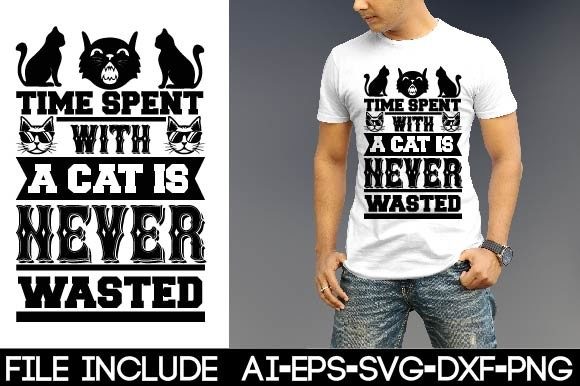
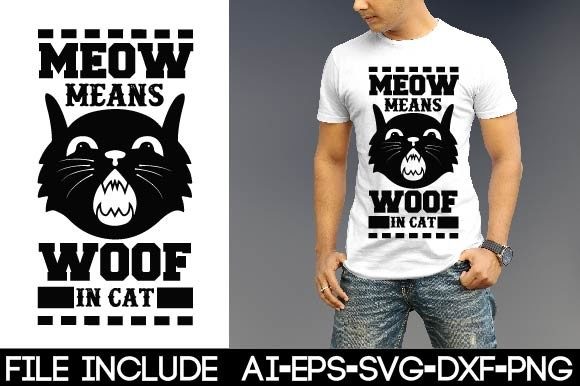
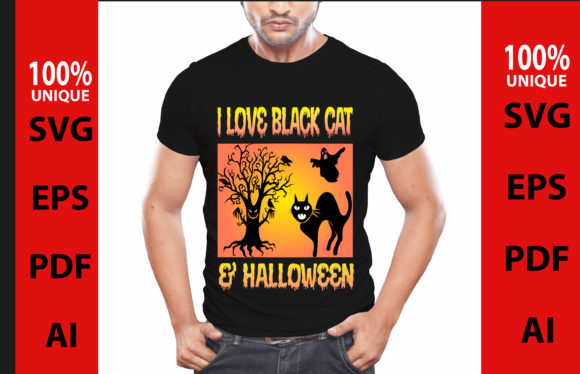
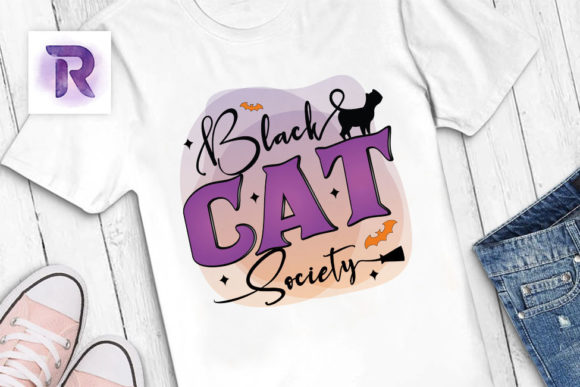
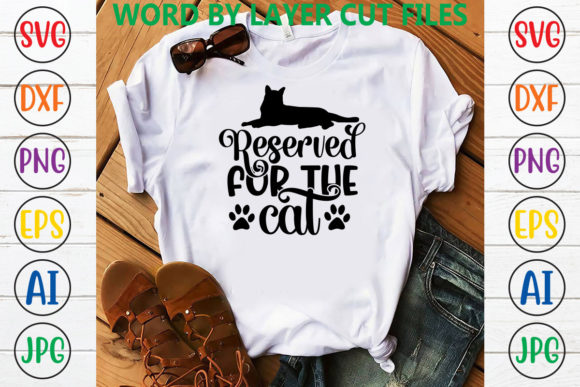
Reserved for the Cat has a whimsical, playful vibe. The design centers around a cat silhouette, likely intended to evoke a sense of mystery or personality. The shape is clean, with subtle details that suggest a feline presence without being overly complex. The layout is straightforward, making it ideal for projects where simplicity and clarity are key.
It feels like a design that would work well on t-shirts, tote bags, or baby items. The theme is versatile enough to appeal to a broad audience, but it also carries a subtle charm that might resonate more with cat lovers or those looking for a unique touch on their handmade products.
Real-World Embroidery Use Cases
When considering Reserved for the Cat for real projects, I think about how it would translate onto different fabrics and garments. For example, if I were to embroider this on a custom tote bag, the design would need to be large enough to hold up under repeated use. A medium-sized hoop would likely work, but I’d want to make sure the stitch density isn’t too high, which could cause the fabric to pucker or the threads to break.
On sweatshirts or t-shirts, the design would look best on light-colored fabrics where the contrast between the thread and background is clear. If I were an Etsy seller, I’d consider using this as a printable mockup or digital product preview to showcase how it looks on different apparel types. It could also serve as a base for custom designs, especially for small businesses looking to offer personalized gifts or boutique merchandise.
For baby items, the design needs to be safe and not too intricate. Reserved for the Cat could work as an embroidered patch or a decorative element on a onesie or blanket. However, I’d avoid using it on thin or stretchy fabrics, as the stitches might not hold up over time.
Where to Be Cautious
While Reserved for the Cat is a good design, there are some scenarios where it might not perform as well. On small hoop sizes, the detail could get lost, so I’d recommend using a larger hoop or adjusting the design size accordingly. Textured fabrics, like canvas or denim, might also affect the visibility of the stitches, especially if the design includes satin or fill stitches.
Thin or stretchy fabrics can be problematic, as they may not support dense stitching without distortion. Dark fabrics could also be an issue if the thread color doesn’t contrast well. In such cases, I’d suggest testing the design on scrap fabric first to see how it looks and feels.
Curved surfaces, like caps or hats, require careful placement of the design to ensure it remains centered and doesn’t distort during stitching. Tiny lettering or detailed corners might not come out clearly, so I’d advise checking the design’s resolution before proceeding.
Impact on Visual Appeal and Customer Perception
Reserved for the Cat has a visual appeal that’s easy to appreciate. Its simplicity makes it adaptable, but it also means that the quality of the embroidery will have a big impact on the final result. If executed well, it could add a professional touch to a handmade product or a custom apparel item.
From a customer perspective, this design could be a hit for pet lovers or those who enjoy quirky, artistic elements. It might also work well as a holiday or wedding gift, especially if paired with other themed designs. However, I’d caution against relying solely on the design’s aesthetics without considering the technical aspects of the embroidery process.
For small shop owners or craft entrepreneurs, the design could be a valuable addition to their inventory. But it’s important to ensure that the design aligns with brand consistency and meets the expectations of their target audience. If the design is used in a commercial setting, licensing terms should be verified to avoid any legal issues.
Practical Designer Notes
Before using Reserved for the Cat in any project, I recommend testing it on scrap fabric. This helps determine how the stitches look on different materials and whether the design requires adjustments. Checking thread color contrast is also essential—especially if the design will be used on dark or light backgrounds.
Stitch density is another factor to consider. If the design has areas with heavy fill stitches, it might require additional stabilizer to prevent puckering. For applique designs, ensuring that the edges are well-defined will help maintain the integrity of the cat silhouette.
When preparing for a commercial project, I’d advise confirming the design’s compatibility with different embroidery machines and file formats. While the product description mentions SVG and AI files, it doesn’t specify machine compatibility, so it’s best to verify this before moving forward.
Lastly, always check the licensing terms before selling finished products or digital files. Even if the design is visually appealing, using it commercially without proper permissions could lead to complications down the line.