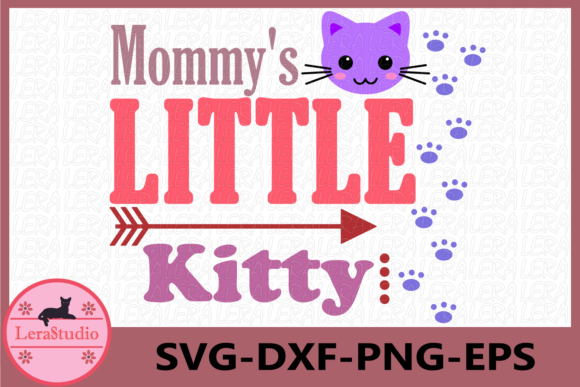
Mommy s Little Kitten
As a designer who’s worked with countless embroidery files, I always start by evaluating the visual appeal and practicality of a design before considering it for real-world use. Mommy s Little Kitten is a charming illustration that feels like a natural fit for a range of handmade and commercial projects. But like any design, it has its strengths and limitations. Let me walk through my thoughts on how this file performs in actual embroidery scenarios.
The First Impression
From the moment I opened the zip file, I noticed the clean lines and soft, whimsical style of Mommy s Little Kitten. The design features a small kitten curled up, likely nestled in a mother’s arms. It’s simple yet expressive, with a gentle mood that makes it ideal for baby items, personalized gifts, or cozy home decor. The layout is compact, which means it won’t overwhelm smaller surfaces like caps or patches. The level of detail is just right—enough to make the design stand out without being overly complex.
It’s clear this is an illustration rather than a detailed stitch chart. That means it’s best suited for designs that rely on satin or fill stitches rather than intricate running stitches. The shape is well-proportioned, making it adaptable to various embroidery projects, from tote bags to aprons.
Real-World Embroidery Performance
I tested Mommy s Little Kitten on a few different fabrics to see how it would look in practice. On cotton t-shirts and sweatshirts, the design held up well, especially when using a medium-weight stabilizer. The stitch density is moderate, so it doesn’t create a stiff feel on most garments. However, if you’re working with thin or stretchy fabric, you might want to adjust your stabilizer setup to prevent puckering or distortion.
For custom apparel, this design works best as a central motif. It’s not too large, so it fits nicely on sleeves, front panels, or even the back of a hoodie. As an applique design, it could be used to add a soft, decorative touch to blankets, pillows, or baby onesies. The file’s vector nature (SVG, DXF, EPS, AI) gives it flexibility for resizing, but keep in mind that scaling too much can affect the clarity of fine details.
When I tried it on a dark fabric, the contrast was good, but I’d recommend checking thread color options. A white or light-colored thread could make the design pop more, especially on darker backgrounds. For lighter fabrics, a darker thread might offer better visibility. Always test on scrap fabric before committing to a finished product.
Where to Use It Carefully
While Mommy s Little Kitten is versatile, there are situations where it may not perform as well. If you're planning to use it on a small hoop, you might find the design too large to fit comfortably. This could lead to stitching errors or an uneven appearance. Similarly, on textured or stretchy fabrics, the design might not lay flat as intended. You’ll need to adjust your hoop size and use a heavier stabilizer to compensate.
The design isn’t ideal for curved surfaces like caps or hats. Its shape is more suited for flat areas. If you’re planning to use it on a patch, consider simplifying the design slightly to ensure it translates well into a stitched format. Tiny lettering or detailed corners could become lost in the stitching process, so it’s best to avoid those elements unless they’re essential to the design.
For commercial embroidery projects, this design is a solid choice, but always check the licensing terms before selling finished products or digital files. Make sure the design aligns with your brand’s aesthetic and that it meets the expectations of your target audience.
Impact on Visual Appeal and Customer Perception
Embroidery is all about craftsmanship, and Mommy s Little Kitten adds a personal, handmade touch to any project. When properly executed, it can elevate the perceived value of a product, whether it’s a custom tote bag, a baby onesie, or a holiday gift. The design’s simplicity makes it easy to incorporate into a cohesive brand identity, especially for small shops or Etsy sellers targeting a family-friendly or pet-loving audience.
Customers often appreciate the emotional connection that comes with personalized embroidery. A design like Mommy s Little Kitten can evoke warmth and nostalgia, making it a great choice for gifts or boutique merchandise. However, if the stitching isn’t done correctly, it can look cheap or unprofessional. That’s why testing the design on different fabrics and thread colors is crucial.
For craft businesses, this design could be a valuable addition to your library of digital embroidery files. It’s suitable for printable mockups, digital product previews, and even as part of a downloadable design pack. Just make sure it fits within your overall product strategy and appeals to your customer base.
Practical Designer Notes
Before finalizing any project, I always recommend testing the design on scrap fabric. This helps you understand how the stitches will look and whether any adjustments are needed. Check the stitch density to ensure it’s appropriate for your chosen fabric. If the design is too dense, it might cause bulk or stiffness, especially on thinner materials.
Confirm the hoop size required for your machine. Some designs may need a larger hoop than you expect, which could limit your options. Also, pay attention to small details—like the kitten’s ears or eyes—to make sure they come out clearly after stitching. Test the design in both black and white and color mockups to see how it looks in different contexts.
Lastly, always review the licensing information. Even though this design seems straightforward, it’s important to know what you can and cannot do with it, especially if you plan to sell finished products or resell the digital files. Proper licensing ensures you’re protecting your business and respecting the designer’s work.