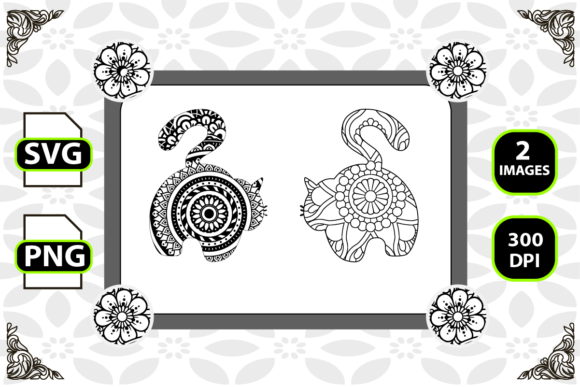
Coloring Page with Animals. Cat
As an embroidery designer and product reviewer, I’ve evaluated countless digital designs for real-world use. Coloring Page with Animals. Cat is a simple yet charming concept that could work well in specific projects, but it requires careful consideration before being used in commercial or handmade products.
First Impressions: A Simple, Playful Design
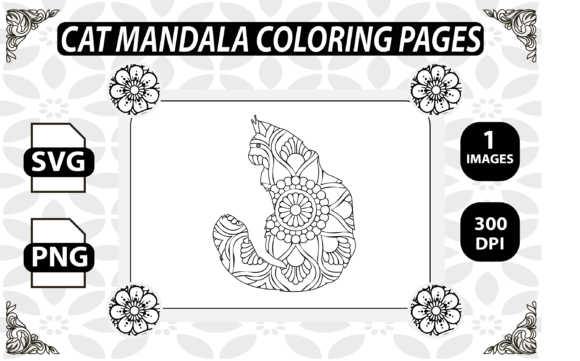
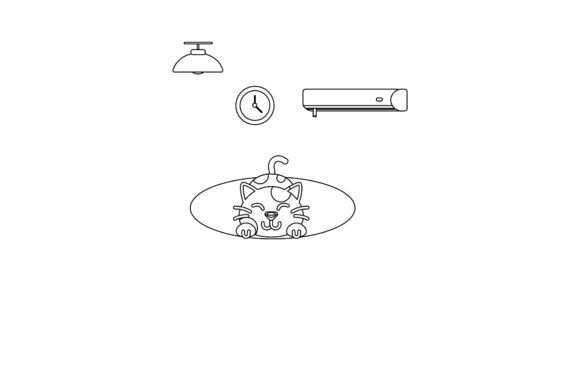
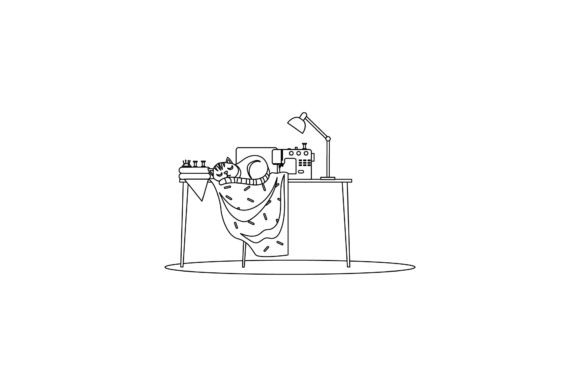
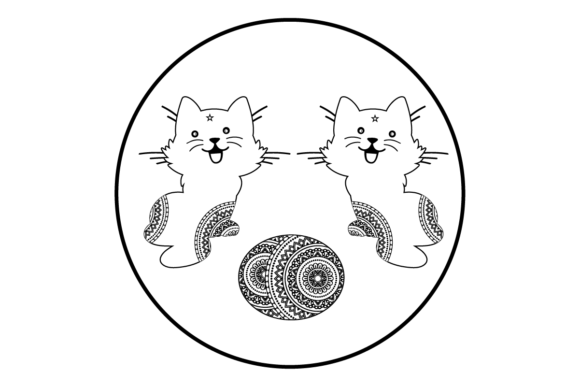
The coloring page features a cat with a ball, surrounded by a few basic elements. The design is clean, minimal, and focused on the main subject. It has a soft, whimsical feel that would appeal to both kids and adults. The layout is straightforward—no complex layers or intricate details. This makes it ideal for projects where simplicity is key, like baby items or casual apparel.
The theme is gentle and approachable, which could make it a great fit for personalized gifts or small shop merchandise. However, its lack of depth might limit its versatility in more detailed embroidery projects.
Real-World Embroidery Use Cases
When considering how Coloring Page with Animals. Cat would perform in real embroidery situations, it’s important to think about the type of project it would be best suited for. For example, it could work well as an embroidered patch for a tote bag or a sweatshirt. The design’s simplicity allows for clear stitching without overwhelming the fabric.
It also has potential for use in baby clothes, such as onesies or blankets, where a soft, recognizable image is appreciated. However, the design may not hold up well on textured or stretchy fabrics, where stitch density and stabilizer use become critical factors.
For custom apparel, the design would need to be scaled appropriately. If the cat is too small, it could get lost on larger garments. Conversely, if it’s too large, it might not fit well on smaller items like caps or hats.
Where to Be Careful: Design Limitations
There are several areas where this design could pose challenges. For instance, if you’re working with small hoop sizes, the design might require multiple hooping steps, which can complicate the process. Additionally, if the fabric is thin or stretchy, the design could pucker or distort during stitching.
On dark fabrics, the design may not show up as clearly, especially if the thread color doesn’t contrast well. It’s essential to test the design on different fabric types before committing to a final project. Similarly, if the design is intended for frequent washing, the stitch density and stabilizer choice will play a big role in its longevity.
Another thing to consider is the design’s suitability for layered garments or curved surfaces. The cat’s shape might not sit well on a cap or a pillow cover unless the design is adjusted for those applications.
Visual Appeal and Customer Perception
Coloring Page with Animals. Cat has a nostalgic, hand-drawn quality that could resonate with customers looking for a personal touch. Its simplicity makes it easy to recognize, which is great for branding or gift items. However, the design may not stand out in a competitive market where more detailed or unique images are common.
From a customer perspective, this design could be seen as a safe, familiar choice. It’s likely to be well-received for personalized gifts or small business merchandise, but it may not generate the same level of excitement as more elaborate designs.
For handmade products, the design’s clarity and ease of stitching contribute to a professional finish. However, if the embroidery isn’t done carefully, the design could look amateurish, which could affect customer trust and repeat business.
Practical Designer Notes: What to Check Before Using
Before using Coloring Page with Animals. Cat in your projects, there are several practical steps to take. First, test the design on scrap fabric to see how it looks in different thread colors and fabric textures. This will help you determine the best way to present it to customers.
Check the stitch density to ensure it’s appropriate for the intended fabric. Too much density could cause puckering, while too little might result in a weak appearance. Also, confirm the hoop size required for the design to avoid unnecessary complications during the embroidery process.
Inspect the design for small details that might not translate well in machine embroidery. Tiny lettering or intricate corners could be problematic, so it’s wise to review the design closely before using it in a finished product.
If you plan to sell this design as a digital product, make sure to verify the licensing terms. Some designs may have restrictions on commercial use, which could impact your ability to offer them as printable mockups or digital embroidery files.
Best Fit: Projects That Match the Design’s Strengths
Coloring Page with Animals. Cat is best suited for projects that value simplicity and charm. It could work well as a tote bag design, a sweatshirt embroidery, or a baby item like a onesie or blanket. Its clean lines make it ideal for personalized gifts, especially for children or pet lovers.
It also has potential for holiday embroidery, such as a Christmas ornament or a festive pillow. However, it may not be the best choice for high-detail projects that require complex stitches or intricate patterns.
For craft businesses or Etsy sellers, this design could be a good addition to a collection of simple, family-friendly items. It’s easy to market and could attract customers looking for something cute and affordable.
Final Thoughts: A Useful but Limited Design
Coloring Page with Animals. Cat is a straightforward design that has its place in the world of embroidery. It’s easy to work with, visually appealing, and suitable for a range of projects. However, it’s not a one-size-fits-all solution. Its simplicity means it may not be the best choice for every type of embroidery project or fabric.
If you’re looking for a design that’s easy to use and has a friendly, recognizable look, this could be a good option. But if you’re aiming for something more detailed or versatile, you may want to explore other options. Always test the design thoroughly and consider how it fits into your overall product strategy before using it in a finished project.